



What are Chevy Trucks Made From?
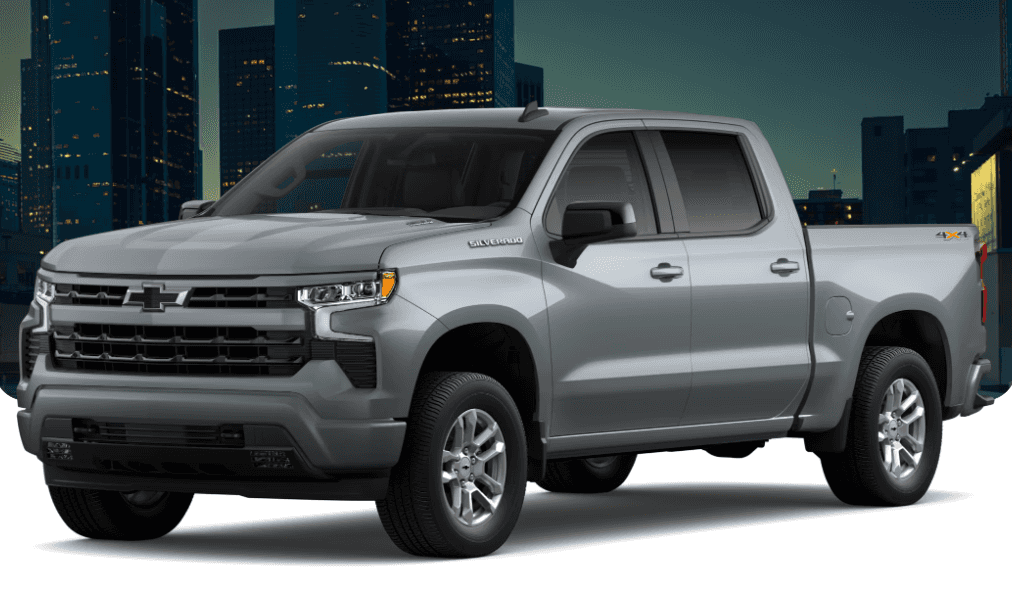
Chevrolet trucks are built to handle a wide range of driving needs, from daily commuting and family use to jobsite hauling, trailering, and weekend projects. Models like the Chevrolet Silverado and Chevrolet Colorado use a mix of materials and engineering choices designed to balance strength, weight, durability, comfort, and efficiency.
So, what are Chevy trucks made from? The answer depends on the model, model year, trim, and component. In general, Chevy trucks use high-strength steel, aluminum components, durable interior materials, and carefully engineered powertrain components to support different types of truck use. At Steve Austin’s Auto Group in Bellefontaine, OH, we can help shoppers compare Chevy trucks based on capability, construction, features, and available inventory.
What Materials Are Used in Chevy Trucks?
Chevrolet uses different materials throughout its trucks because each part of the vehicle has a different job. A truck frame, bed, door panel, engine component, and seat surface do not need the exact same material. Instead, engineers use materials based on strength, weight, corrosion resistance, repairability, comfort, and long-term durability.
This mixed-material approach allows Chevy trucks to provide useful capability while still supporting modern design, safety, efficiency, and comfort expectations.
High-Strength Steel in Chevy Trucks
Steel remains one of the most important materials in many Chevy truck structures. Depending on the model and component, high-strength steel may be used in areas such as the frame, body structure, and cargo bed.
For example, Chevrolet describes the Silverado 1500 Durabed as using roll-formed high-strength steel. This type of construction is intended to support cargo use, tie-down strength, and everyday truck utility. Steel can also help provide the structural strength needed for towing, hauling, and long-term work use when the truck is properly equipped.
Aluminum Components in Chevy Trucks
Aluminum may also be used in select Chevy truck components, depending on model and configuration. Aluminum is lighter than steel, which can help reduce weight in certain parts of the vehicle while still providing useful strength and corrosion resistance.
Some Silverado applications have used aluminum for components such as doors, hood, and tailgate, while other models may use aluminum in wheels, suspension components, skid plates, or other areas. Exact material use can vary by model year and trim, so shoppers should review the specifications for the specific truck they are considering.
Chevy Truck Bed Construction
The truck bed is one of the most important parts of a pickup, especially for drivers who haul tools, materials, outdoor gear, furniture, or work equipment. Chevy designs its truck beds to support real-world cargo use, and Silverado models are known for practical bed features such as tie-downs, available tailgate options, and useful cargo volume depending on configuration.
Because truck bed size and material can affect how useful a pickup feels day to day, shoppers should compare bed length, cab configuration, tie-down needs, tailgate features, and cargo requirements before choosing a truck. You can also review our Chevy truck bed size guide if you are still deciding which setup fits your routine.
Interior Materials and Comfort Features
Chevy truck interiors can vary widely by trim level. Work-focused trims may use durable cloth or vinyl-style materials designed for easy use and cleaning, while higher trims may offer upgraded seating surfaces, contrast stitching, soft-touch materials, premium accents, heated and ventilated seats, and advanced display technology.
This is why two Chevy trucks can feel very different inside even when they share the same basic model. A Silverado WT, Custom, LT, RST, LTZ, ZR2, or High Country may prioritize different combinations of durability, comfort, style, and technology.
Engine and Powertrain Materials
Chevy truck engines and powertrain components use carefully selected metals and alloys to handle heat, pressure, friction, and long-term operating demands. Depending on the engine, components may include aluminum, steel, cast iron, and other engineered materials designed for strength and efficiency.
Engine construction varies by powertrain. A turbocharged gas engine, V8 engine, diesel engine, and electric truck powertrain all have different engineering requirements. When comparing trucks, it is better to review the exact engine, towing rating, payload rating, fuel economy, and service requirements rather than assuming every Chevy truck is built the same way.
Where Are Chevy Trucks Made?
Chevy truck production can vary by model and model year. GM currently identifies Fort Wayne Assembly in Indiana as a production location for light-duty Chevrolet Silverado and GMC Sierra pickup trucks, while Flint Assembly in Michigan is home to heavy-duty Chevrolet Silverado and GMC Sierra production. Chevrolet also identifies the Colorado as being built in Wentzville, Missouri.
Some Silverado production has also been associated with additional North American facilities depending on model, configuration, and production timing. Because manufacturing details can change, it is best to verify production information for the specific model year or vehicle window sticker when that detail matters to your purchase decision.
How Materials Affect Truck Shopping
Materials matter, but they are only one part of choosing the right truck. For most shoppers, the bigger question is how the truck will be used. A daily driver may need comfort, fuel efficiency, and parking convenience. A work truck may need payload, bed durability, towing equipment, and easy-to-clean materials. A family truck may need passenger space, safety technology, and interior comfort.
Before choosing a Chevy truck, consider:
- How often you tow or haul
- What type of cargo you carry
- Whether you need a midsize or full-size truck
- Which cab and bed configuration fits your routine
- How much interior comfort and technology you want
- Whether a new or used truck is the better fit
Compare Chevy Trucks in Bellefontaine, OH
Steve Austin’s Auto Group can help you compare Chevy trucks based on construction, capability, bed size, towing technology, trim level, and available features. Whether you are interested in a Silverado, Colorado, or another Chevy model, our team can help you choose a truck that fits your driving needs.
You can browse our new Chevy and GMC inventory, compare used vehicles, learn more about Chevy trailering technology, or contact our team with questions.
Chevy Truck Materials FAQs
Are Chevy trucks made of steel or aluminum?
Chevy trucks may use both steel and aluminum depending on the model, model year, trim, and component. Steel is commonly used for strength-focused areas, while aluminum may be used in select components to help manage weight.
What is the Chevy Silverado bed made from?
Chevrolet describes the Silverado 1500 Durabed as using roll-formed high-strength steel. Exact bed features and specifications can vary by model year and configuration.
Where is the Chevy Silverado made?
GM identifies Fort Wayne Assembly in Indiana as a light-duty Silverado production location and Flint Assembly in Michigan as a heavy-duty Silverado production location. Production details can vary by model, configuration, and timing.
Where is the Chevy Colorado made?
Chevrolet identifies the Colorado as being built in Wentzville, Missouri. Shoppers can check the vehicle window sticker or manufacturer information for details on a specific truck.
Can Steve Austin’s Auto Group help me compare Chevy trucks?
Yes. Steve Austin’s Auto Group can help shoppers compare Chevy trucks by model, trim, bed size, towing features, materials, available inventory, financing options, and trade-in value near Bellefontaine, OH.

0 comment(s) so far on What are Chevy Trucks Made From?