



Back-to-School Prep: Essential Car Checks for Bellefontaine Families
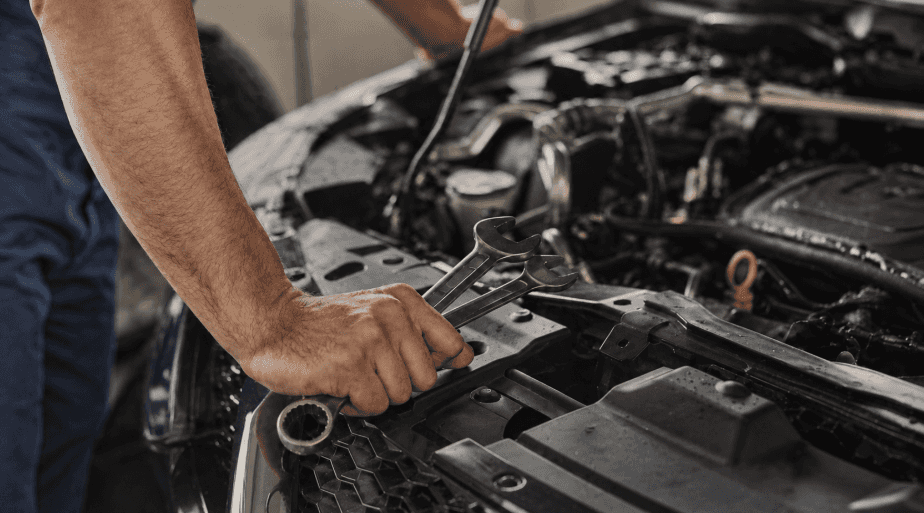
The school bell means more than backpacks and new shoes. Your car shifts from a weekend errand-runner into a daily workhorse the moment classes start, handling drop-off lines and sports practices day after day. A little back to school car checks routine now can save you a stressful breakdown later. Schedule a service appointment with our team before the first bell rings.
Why Back-to-School Season Is Tough on Bellefontaine Family Cars
Summer road trips give way to short, repetitive drives once school starts, and that shift is harder on your car than it looks. Morning drop-offs, pickup-line idling, and quick trips to practice mean your engine rarely reaches full operating temperature, and your alternator doesn’t get the chance to fully recharge the battery.
Daily traffic fatalities tend to climb from January through July, plateau over the summer, then decline after September, but back-to-school season brings its own set of hazards tied to drop-off and pickup congestion. Safe Kids Worldwide has found that one in three drivers engage in unsafe behaviors during school drop-offs, and a 2024 survey from the National Center for Education Statistics found that 38% of school leaders view traffic patterns as a genuine threat to student safety. That’s why back-to-school vehicle maintenance matters so much for families here in Bellefontaine and across Logan County.
Back-to-School Car Checks: Safety Systems First
We always tell families to start with brakes, tires, battery, and lights before worrying about comfort features or fall road trips. These are the parts of your car doing the heaviest lifting during school-zone stop-and-go and darker morning commutes.
Brakes: Ready for School Zone Stops and Sudden Traffic
School zones mean sudden stops, crossing guards, and kids darting between cars, so your brakes need to be dependable every single morning. A brake check matters more this time of year simply because you’re using your brakes more often, and in tighter quarters.
Watch and listen for these warning signs:
- Squealing usually means the wear-indicator tab is doing its job, warning you pads are getting thin.
- Grinding means the pads are worn through; stop driving and get in as soon as possible.
- A soft pedal or longer stopping distance signals thinning pads that need attention.
- Some GM vehicles include a dashboard low-pad warning light, so check your owner’s manual to know what to look for.
- Brake fluid should be checked roughly every 20,000 miles, since moisture is brake fluid’s biggest enemy.
Tires: Tread Depth, Pressure, and Rotation for Daily Drop-Offs
Between carpool lanes, gravel driveways, and rushed mornings, your tires take a beating during the school year. Good tread and proper inflation are your best defense against slips and blowouts on the way to drop-off.
- Replace tires once tread wears down to 2/32 of an inch.
- Use the penny test monthly: if you can see the top of Lincoln’s head with the penny upside down, it’s time for new tires.
- Check pressure at least once a month, and never inflate to the number on the tire sidewall, since that’s the maximum, not the recommended, pressure.
- Underinflation remains the leading cause of tire failure, so don’t skip this step.
- Look over sidewalls and tread monthly for cuts, bulges, or cracks, and rotate tires regularly to even out wear and extend tire life.
Battery and Lights: Handling Short Trips and Darker Mornings
Short trips are tough on batteries because the alternator never gets enough time to fully recharge them, and summer heat has likely already taken a toll. Add in darker mornings as fall sets in, and your lights become just as important as your battery.
- Have batteries over three years old tested, since age accelerates failure risk.
- Watch for slow cranking, a lit Battery or Charging warning lamp, or headlights that dim at idle.
- Check headlights, brake lights, and turn signals, since visibility matters most during early drop-offs and evening practice pickups.
- NHTSA reports that 77% of pedestrian fatalities in 2023 happened in the dark, a stat worth remembering as mornings get shorter.
Fluids, Filters, and Comfort Checks for Fall Driving
Once the safety basics are covered, fluids and filters keep your engine running smoothly through fall’s temperature swings. These checks are easy to overlook but pay off in reliability and comfort for the whole family.
Oil Changes, Coolant, and Brake Fluid
Fresh oil reduces engine friction and helps regulate temperature, both of which matter more once stop-and-go driving becomes your daily routine. Bundle these fluid checks together when possible:
- Schedule oil changes according to your manufacturer’s recommended interval.
- Check coolant levels roughly every 20,000 miles to help prevent overheating.
- Have brake fluid tested at the same time, since fluid condition testing pairs naturally with an oil change visit.
Wipers, Windshield, and A/C for Changing Weather
Bellefontaine’s fall weather can turn quickly, and visibility is everything during morning fog or a sudden rain shower on the way to school.
- Replace wiper blades every 6 to 12 months, sooner if you use them heavily.
- Look for streaking, cracked rubber, tears, or rounded edges as signs it’s time for new blades.
- Inspect wipers monthly, ideally alongside your oil change, so it becomes a habit rather than an afterthought.
- Have your A/C checked too, since warm early-fall afternoons at practice pickup still call for reliable cooling.
Cabin and Engine Air Filters
Fall brings its own allergens, like ragweed and mold, which enter your cabin through the HVAC system. A clogged filter doesn’t just smell musty, it can worsen allergy symptoms for everyone in the car.
- The cabin air filter sits behind the glovebox and should generally be replaced every two years.
- The engine air filter is located under the hood and typically needs replacing about once a year.
- A clean engine air filter protects internal components and helps your engine burn fuel more efficiently.
- Reduced airflow or a musty smell are your cues that a filter change is overdue.
Steering, Suspension, and Alignment: Smoothing Out Commutes and Sports Runs
Between school parking lots, gravel lots at practice fields, and the occasional pothole on Route 68 S, your steering and suspension take on a lot of hidden stress during the school year. Left unaddressed, alignment problems get worse, leading to poor handling and lower fuel efficiency over time.
Watch for pulling to one side, steering-wheel vibration, or edge wear on your tires, all common signs of misalignment. Your steering wheel should also return to center naturally after a turn; if it lags, that’s worth having checked. We generally recommend an alignment inspection every 10,000 miles, or sooner if you’ve recently hit a curb or a deep pothole. Our Bellefontaine service team can measure alignment precisely with the right equipment, something a driveway inspection simply can’t replicate.
Child-Safety Considerations for the School Year Ahead
Getting your car mechanically ready is only half the job. Ohio Revised Code 4511.81 requires children under age 8 and under 4’9″ who aren’t otherwise required to use a child restraint to ride in a federally compliant booster seat, while kids ages 8 to 15 need either a child restraint or a seat belt. Best practice, regardless of what the law technically requires, is keeping children under 13 in the back seat.
A first violation carries a fine of up to $75, though it may be waived with proof that you purchased, rented, or borrowed an appropriate seat before your court date. Beyond the legal side, it’s worth walking younger children, age 10 and under, through the basics of walking near traffic, including sidewalk safety, crosswalk habits, checking left-right-left, and keeping phones tucked away.
Teen drivers deserve their own conversation. AAA data shows more than one in four fatal crashes involving teen drivers happens between 3 and 7 p.m., which lines up almost exactly with after-school and practice pickup hours. Car crashes remain the leading cause of death for teens in the U.S., so reinforcing seatbelt use and phone-free driving, limiting passengers, and sticking to posted speed limits is worth repeating often.
Pack an Emergency Kit for Carpools, Practices, and Commutes
Even a well-maintained car can run into surprises, especially once you’re juggling carpools and late practice pickups. A simple kit in the trunk goes a long way toward peace of mind:
- Cell phone charger
- Jumper cables
- Flashlight with fresh batteries
- First-aid kit
- Ice scraper or snow brush
- Tire gauge
- Warning triangles or flares
- Water and snacks
- Blanket
- Multitool
Keep this list somewhere handy, print it out, and check it before the school year starts so nothing’s missing when you actually need it.
When to Book a Professional Inspection in Bellefontaine
Some of these back-to-school car checks are perfectly fine to handle yourself. Visual tire and tread checks, fluid level glances, and wiper blade inspections take just a few minutes in your driveway. Certain jobs, though, really do call for a technician’s eyes and equipment.
Leave these to the pros: brake pad and rotor inspection, alignment measurement, battery load testing, and fluid condition testing. If you ever hear grinding brakes, don’t wait for your next scheduled visit; get in right away. And if it’s been a while since your last checkup, or your battery is over three years old, it’s a good time to have it tested before cooler weather sets in.
Quick recap for your own reference: DIY covers tread depth, tire pressure, fluid levels, and wiper condition. Professional visits cover brake component inspection, alignment measurement, battery load testing, and fluid diagnostics. Check our service and parts specials before you book, since seasonal offers can make this an easy time to knock out several checks at once.
Get School-Ready with Steve Austin’s Auto Group
We’ve spent 30 years helping families across Bellefontaine, Sidney, and Logan County keep their Chevrolet, Buick, and GMC vehicles road-ready, and back-to-school season is one of the busiest times we see in our service bays. Our GM-certified technicians handle routine oil changes, alignment measurements, battery testing, and just about everything in between, and our body shop is here too if you ever need collision repair, big or small. We’re proud to carry a BBB A+ rating, built over three decades in this community.
Whether you need a full car service Bellefontaine OH families can count on, or just want a second opinion on that squeaky brake, our doors are open. Contact us online, give us a call, or go ahead and schedule a service appointment today.

0 comment(s) so far on Back-to-School Prep: Essential Car Checks for Bellefontaine Families