



Fall Vehicle Maintenance in Bellefontaine: Get Ready for Ohio’s Changing Weather
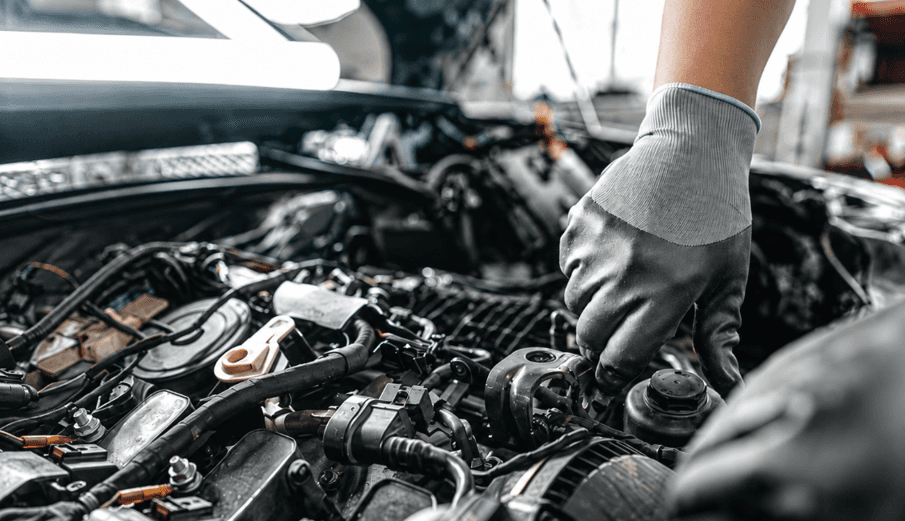
Ohio weather doesn’t wait for a calendar date to turn. One week you’re running the air conditioner, and the next you’re scraping frost off the windshield before sunrise. That kind of swing puts real stress on your vehicle, and it’s exactly why fall vehicle maintenance in Bellefontaine, OH deserves attention before winter settles in.
At Steve Austin’s Auto Group, we walk drivers through the same checks every year, and we’d rather help you get ahead of the season than deal with a breakdown on Route 68 in January. If you want a professional set of eyes on your car before the temperature really drops, our certified service team is ready to help.
Why Fall Maintenance Matters for Bellefontaine Drivers
Fall in Logan County brings more than pretty foliage. Wet leaves make roads slippery, morning dew turns to frost, and the clocks fall back on November 1, 2026, which means darker commutes arrive fast. Add in temperature swings that can hit 60 degrees one afternoon and drop into the 30s overnight, and your car is working harder than it did all summer. A little attention now to your tires and fluids, along with your brakes and lights, goes a long way toward keeping your daily drive predictable when Ohio’s weather isn’t.
Tires: Tread, Pressure, and Traction for Wet Leaves and Early Ice
Tires are your only real connection to the road, and fall is genuinely the most important time of year to check them. As daylight hours shrink and overnight temperatures fall, tire pressure drops right along with them, roughly 1 to 2 PSI for every 10-degree drop. Over the course of a full Ohio winter, that can add up to a 5 PSI loss, which is enough to affect handling, braking distance, and even fuel economy. Always fill to the PSI listed on your driver’s door sticker or in your owner’s manual. Pumping extra air in to compensate for the cold will only work against you and cut down on traction.
Checking Tread Depth and Tire Pressure
The classic penny test still works: insert a penny into the tread groove, and if you can see all of Lincoln’s head, you’re at or below 2/32 of an inch, the minimum safe tread depth. Our technicians recommend replacing tires once tread hits 4/32 of an inch, especially heading into wet and snowy months. We check tread depth at three spots on every tire (inside edge, center, outside edge) because uneven wear across those points usually points to an alignment or inflation issue rather than normal aging. It’s also worth checking the DOT code on your sidewall. Some manufacturers recommend replacing tires when they’re between 6 and 10 years old, regardless of remaining tread.
All-Season vs. Winter Tire Considerations
Not every tire performs the same once temperatures drop. Michelin’s own guidance points to 45 degrees Fahrenheit as the threshold where all-season and summer tire compounds start to harden and lose grip, a specific number worth knowing if you’re deciding whether to switch. It’s also worth clearing up a common misunderstanding: an M+S marking on a tire’s sidewall means it’s rated for mud and snow, but it does not mean it’s certified for severe winter conditions. Only the 3PMSF (Three-Peak Mountain Snowflake) symbol confirms a tire meets that standard.
| Feature | All-Season Tires | Winter Tires |
|---|---|---|
| Traction in Cold/Wet Conditions | Adequate above 45°F | Superior below 45°F |
| Tread Life | Longer overall lifespan | Wears faster in warm weather |
| Ride Comfort | Balanced, quieter | Softer compound, more road feel |
| Best Use Case | Year-round driving in moderate climates | Consistent snow and ice conditions |
| Typical Driving Conditions | Mild winters, occasional snow | Frequent sub-freezing temps, heavy snow |
We get asked a lot whether a dedicated set of winter tires is really necessary, or if all-seasons will get someone through a Bellefontaine winter. It depends on your commute, but if you’re regularly out before sunrise on rural Logan County roads, winter tires are worth the conversation. Whatever you decide, having options matters. We carry BFGoodrich, Bridgestone, Continental, Cooper, Firestone, General, Goodyear, Hankook, Kelly, Michelin, Pirelli, and Uniroyal, so you don’t have to visit multiple tire shops to find the right fit. Plenty of drivers already have a go-to spot for quick service, whether that’s a chain lube shop or somewhere similar, but when it comes to tires specifically, having a single shop that can check pressure, inspect tread, and install new tires in one visit saves a trip.
Fluids and Filters for Ohio’s Temperature Swings
Your fluids do a lot of invisible work, and fall is a smart time to make sure everything’s where it should be before winter puts extra strain on the system.
Oil Change Timing Before Winter
The majority of today’s new Chevrolet vehicles use an Oil Life System (OLS), which tracks your driving conditions and tells you when it’s actually time for an oil change rather than relying on a flat mileage number. That said, it’s still smart to check your oil level regularly between services. After an oil change, the oil life monitor needs to be reset so it can accurately track your next interval, and this is a step people often miss. If you handle your own oil change, don’t skip that reset. If you’d rather leave it to us, our technicians handle the reset automatically as part of every service.
Coolant, Brake Fluid, and Washer Fluid Levels
As a general best practice, it’s worth checking your antifreeze-to-water mix before temperatures drop, since the wrong ratio can lead to freeze-related engine damage on a cold Ohio morning. While you’re at it, check transmission fluid, brake fluid, and power steering fluid levels too. Swapping in winter-rated washer fluid before the first freeze is a small step that saves a lot of frustration when summer fluid freezes on your windshield instead of clearing it.
Brakes and Alignment for Slick, Leaf-Covered Roads
Wet leaves can be nearly as slippery as ice, and worn brakes or low hydraulic fluid make stopping on that kind of surface harder than it should be. A certified inspection can catch thinning brake pads, uneven rotor wear, or low fluid before they become a problem on a rain-slicked road outside Sidney or anywhere else in Logan County. Alignment matters here too. If your tires showed uneven tread wear during that three-point check we mentioned earlier, it’s often a sign your alignment needs attention, and fixing it now means better traction and more predictable handling once winter weather arrives. If it’s been a while since your last inspection, this is a good moment to schedule your fall checkup with our team.
Battery, Lights, and Wipers for Shorter Days
Cold weather takes a real toll on a car battery. Most drivers don’t realize how much strength it loses until they’re standing outside on a freezing morning, turning a key that won’t start the engine.
Battery Testing Before Cold Weather Arrives
AAA’s Automotive Research Center reports that a battery loses about 35% of its strength at 32 degrees Fahrenheit, and that number climbs to roughly 60% once temperatures hit 0 degrees. At the same time, cold engine oil thickens, which means your starting system can need up to twice the normal electrical current just to get the engine running. That’s a lot to ask of a battery that’s already weakened by the cold. AAA recommends having your battery and charging system professionally tested before winter arrives, and it’s also worth checking terminals yourself for corrosion or loose connections, both of which can mimic a dying battery even when the battery itself is fine.
Headlights, Taillights, and Wiper Blade Condition
With clocks falling back on November 1, 2026, you’ll be driving in the dark earlier than you’re used to, so functioning headlights and taillights aren’t optional. Check that all your exterior lights are working and aimed correctly, and replace any bulbs showing signs of dimming. Wiper blades should be replaced every 6 to 12 months, or sooner if you notice a hazy film across the windshield, squeaking, or chattering when they run. A good habit is to check wiper condition every time you’re in for an oil change, so it never becomes an afterthought.
Heating, Defrost, and Cabin Comfort Systems
Your heater, defroster, and heated seats (if your vehicle has them) all draw extra electrical power right when your battery is already working harder in the cold. Testing these systems now, rather than waiting for the first freezing morning, gives you time to address any issues before you actually need a clear windshield and a warm cabin at 6 a.m. If your defrost is sluggish or your heater isn’t blowing warm air like it should, that’s worth mentioning during your fall inspection.
Building a Winter Emergency Kit for Ohio Roads
Ohio winters can turn rough fast, so keeping a basic emergency kit in your vehicle is a smart habit, not a sign of worry. Here’s what belongs in it:
- A flashlight with extra batteries, and flares or reflective triangles for visibility
- Jumper cables, a phone charger, and a first aid kit
- Rags, a bungee cord, bottled water, and a blanket or extra warm clothing
- Winter-rated washer fluid and de-icer (the de-icer doubles as a fix for frozen door locks)
- Kitty litter or traction sand for added grip if you get stuck
- An ice scraper, snow brush, and small shovel, along with tire chains if you drive rural roads often
- A poncho, basic toolset, matches or candles, duct tape, and a cutting tool
- Gloves, non-perishable snacks, a small ABC fire extinguisher (learn how to use it before you need it), and a paper map as a backup in case your phone battery dies
Fall Car Care Checklist
Between professional visits, a few quick at-home checks can catch problems early:
- Check tire pressure monthly and fill to the door-sticker PSI
- Do the penny test on tread depth at three spots per tire
- Inspect wiper blades for streaking, squeaking, or chattering
- Check coolant, brake, and washer fluid levels
- Test all headlights, taillights, and turn signals
- Look at battery terminals for corrosion or loose connections
Schedule Your Fall Service with Steve Austin’s Certified Service Team
A full seasonal check doesn’t have to be complicated, but it does need to cover more ground than a quick glance under the hood. Our Certified Service technicians run a full multi-point inspection covering tires, wipers, fluids, brakes, and battery health in one visit, so you’re not piecing together fall vehicle maintenance in Bellefontaine, OH across multiple stops. We’re proud of our BBB A+ rating, and we’ve built our reputation in Bellefontaine, Logan County, and surrounding communities on straightforward, honest service.
Book Your Visit
Check our current specials before your visit, and when you’re ready, book your appointment online or call us directly at (937) 303-4085. You’ll find us at 2500 Route 68 S, Bellefontaine, OH 43311.

0 comment(s) so far on Fall Vehicle Maintenance in Bellefontaine: Get Ready for Ohio’s Changing Weather