



Gas, Hybrid, or Electric Vehicle? Which Chevy/GMC Powertrain Fits Rural Ohio Driving Habits?
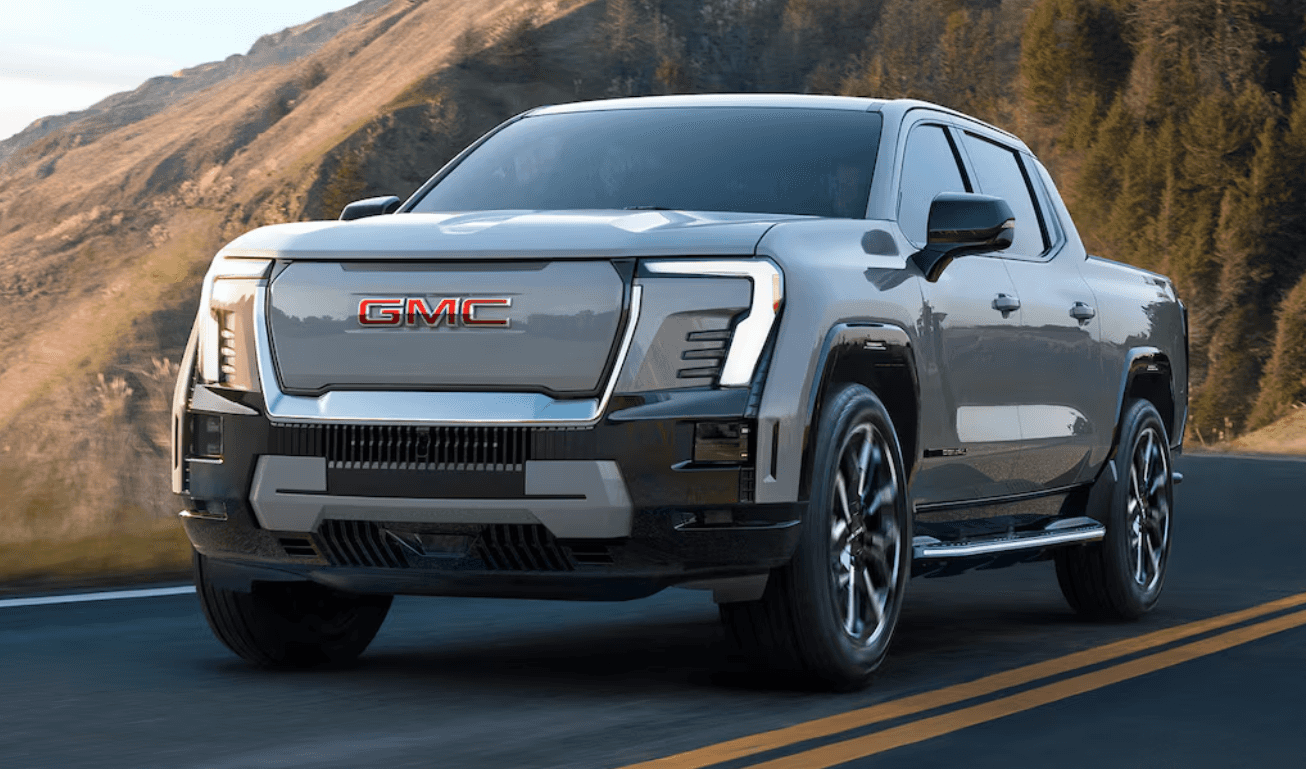
Rural Ohio drivers have diverse driving needs, but everyone agrees that a vehicle should be dependable and easy on the wallet at the pump. One big decision for a new vehicle is whether a gas, hybrid, or all-electric powertrain is right for you. The differences between performance and efficiency for the various Chevy and GMC powertrains are likely to influence your decision. In this guide, our team at Steve Austin’s Auto Group in Bellefontaine, Ohio, put together details about gas vs. hybrid vs. electric vehicle (EV) powertrains in the Chevy and GMC lineups.
Gasoline Vehicles: The Traditional Choice
Traditional gas-powered vehicles have many advantages over hybrids and EVs, and you have a wide range of options in this category. But there are drawbacks that come with owning a vehicle that has an internal combustion engine (ICE).
Advantages of Gas Powertrains for Rural Areas
In rural Ohio, a gas powertrain can be convenient because you can find gas stations on street corners across the state, making it quick and easy to pull in and refuel. An average ICE can travel for hundreds of miles on a single tank, giving you plenty of time between fuel stops. Sedans, SUVs, trucks, sports cars, vans, and almost any type of vehicle is available with a gas powertrain, offering you a vast selection of models to choose from.
Potential Drawbacks of Gasoline Cars
A gas car has some drawbacks as well. Gas engines are noisy and put off fumes that can harm people and the environment. These engines require frequent oil changes and other maintenance that can be a hassle to fit into your busy schedule. Fuel costs for gas vehicles can also add up quickly.
Hybrid Vehicles: The Best of Both Worlds?
Hybrid vehicles blend elements of ICE vehicles and EVs to bring you the best of both worlds. Here’s more about how hybrid technology works and the pros and cons these vehicles offer.
How Hybrid Technology Works
With a hybrid powertrain, Chevy and GMC vehicles pair an ICE with an electric motor system. And because hybrids use an electric assist, they consume less fuel than a gas powertrain. Most hybrids have a regenerative braking system that restores power to the battery when you brake, adding to the efficiency of this powertrain setup.
Pros and Cons of Hybrids for Rural Ohio Driving
The most noticeable benefit of a hybrid Chevy or GMC vehicle is the exceptional fuel economy. A hybrid vehicle can go at least 500 miles on a single tank of gas, meaning you spend less at the pump. New hybrids cost more upfront, however, making them out of reach for some budgets. The other con of owning a hybrid is that, while they have lower maintenance costs, they can cost more to repair because they use both gas and electric power.
EVs: The Future of Automotive?
Only time will tell if EVs are the future of the automotive industry. For now, an EV is a great option for rural Ohio drivers who commute a short distance or don’t drive too far, too often. Here are some key features of the EVs in the Chevy and GMC lineups, along with the benefits and challenges of owning an EV in rural Ohio.
Key Features of Chevy and GMC EVs
Chevy and GMC are working to expand and perfect their EV lineups, but they already offer some solid vehicles. GMC has the Sierra EV pickup and the Hummer EV SUV and truck, both of which are stylish and modern. In Chevy’s EV lineup, you can choose from the Blazer, Equinox, and Silverado EVs. Their all-electric powertrains are a key feature that eliminates refueling stops. EV powertrains offer lots of torque and horsepower, with nearly instant acceleration capabilities. You’ll find advanced technology at every turn, making your drive more comfortable and relaxing.
Benefits and Challenges Specific to Rural Ohio Drivers
You can reap the benefits of driving an EV as a rural Ohio driver by being able to plug in at home so your vehicle is always charged and ready to go. You’ll appreciate the modern tech that lets you use your touch screen to navigate Ohio’s back roads, get over-the-air-updates without having to leave home, and stay safe when you’re behind the wheel. The challenges you might face driving an EV in rural Ohio include the high initial cost of buying one and finding a convenient public charging station, although more pop up all the time.
Making the Right Choice: Factors To Consider
To ensure you get the ideal powertrain for your rural Ohio lifestyle, consider these factors before making your final decision.
Driving Habits and Lifestyle
How often do you drive? How many miles do you cover each day? What kind of people or gear do you transport in your vehicle? Your answers to these question will help guide you in choosing the best powertrain for your driving habits and lifestyle. An ICE or hybrid vehicle is better if you drive frequently or cover long distances regularly, while an EV is ideal for commuting or if you have more time on a road trip to wait for charging.
Long-Term Costs and Savings
Although a hybrid or EV can cost more upfront, the long-term savings can make the initial cost worth it over time. Low maintenance and reduced or eliminated fuel costs that come with EV ownership can keep money in your pocket. A gas vehicle may cost less in the beginning, but repair and fuel costs add up in the long run.
Finding Your Ideal Chevy/GMC Powertrain
At Steve Austin’s Auto Group in Bellefontaine, Ohio, we have a vast inventory of gas, hybrid, and EVs. Come by today and find your ideal Chevy or GMC powertrain. Our team is always ready to help you discover your dream ride. Contact us today to set up a test-drive or learn more about your powertrain options.

0 comment(s) so far on Gas, Hybrid, or Electric Vehicle? Which Chevy/GMC Powertrain Fits Rural Ohio Driving Habits?