



Spring Cleaning Your Ride: Essential Car Care Tips for Bellefontaine Drivers
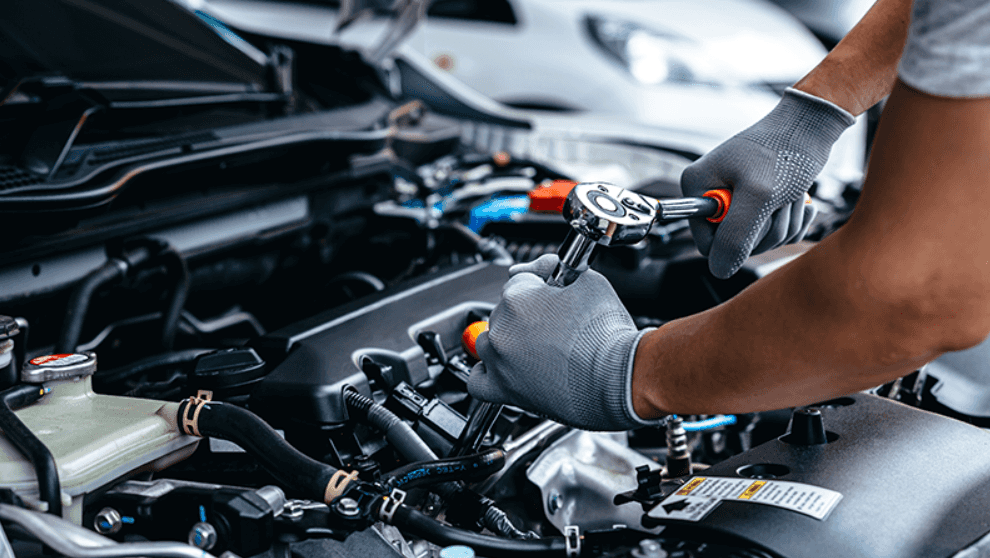
Winter in central Ohio is no joke. Between the freezing temperatures, road brine, and potholes that seem to appear overnight, your vehicle takes a real beating from November through March. Now that warmer days are finally here, spring car care for Bellefontaine drivers isn’t just a nice-to-do. It’s genuinely necessary if you want your car to hold up through the rest of the year.
Whether you’ve been logging miles on U.S. Highway 33 or navigating rural Logan County roads every day, we’re here to walk you through what your vehicle actually needs right now. Ready to get started? Schedule your spring service appointment with our team and we’ll handle the rest.
Why Winter Takes Such a Toll on Vehicles in Bellefontaine and Rural Ohio
Bellefontaine and the surrounding Logan County area sit squarely in Ohio’s snow belt influence zone, where temperatures can swing dramatically within a single week. That freeze-thaw cycle doesn’t just affect roads. It affects your tires, fluids, battery, and undercarriage in ways that don’t always show up immediately. Rural roads in Logan County are often treated more heavily with salt and brine than city streets, which means vehicles driven those routes absorb more corrosive exposure per mile.
The tricky part is that winter damage tends to hide until it becomes a much bigger problem. A battery weakened by cold starts, a brake line with early corrosion, tires that have been running at inconsistent pressure. None of these demand your attention right away. Spring is the window where catching these problems early saves you real money and keeps you safe heading into the warmer, higher-mileage months.
Salt, Brine, and Your Car’s Long-Term Health
Ohio’s highway crews rely heavily on liquid brine before and during winter storms because it outperforms traditional rock salt at lower temperatures. The tradeoff is significant: brine is extremely corrosive and coats every surface under your vehicle.
As you drive, that brine mixture sprays directly onto the undercarriage, accelerating the chemical rust reaction on steel and metal surfaces. It doesn’t rinse off with a basic wash, and cold temperatures cause it to linger longer than it would in warmer climates.
A thorough spring wash should include a high-pressure undercarriage rinse. Wheel arches and lower door panels are particularly vulnerable because brine accumulates there and gets sealed in by road grime. Getting that corrosion cleared out before it works deeper into the metal is one of the simplest and most cost-effective things you can do for your car’s long-term value.
Adding a coat of wax or a ceramic coating after that wash protects the paint by preventing minor scratching and keeping contaminants from adhering through the rest of the year.
The Spring Car Care Checklist Every Bellefontaine Driver Needs
A proper spring checkup covers a sequence of interconnected systems that all need attention after months of cold-weather stress. The table below maps each maintenance item to the specific winter damage risk, what to inspect, warning signs to watch for, and whether it’s a DIY check or a job for a technician.
| Maintenance Item | Winter Damage Risk | What to Inspect | Warning Signs | DIY Check | Professional Service |
|---|---|---|---|---|---|
| Engine oil | Cold thickens oil, accelerates degradation | Level, color, consistency | Dark/gritty oil, low level | Check dipstick | Change if due or overdue |
| Coolant | Low levels that seem fine in cold cause overheating as temps rise | Level, color, freeze point | Discoloration, low reservoir | Check reservoir | Flush and refill if degraded |
| Transmission fluid | Temperature swings degrade fluid | Level, color | Dark or burnt-smelling fluid | Check dipstick (some models) | Full inspection and change |
| Brake fluid | Moisture absorption worsens in cold, corrosion at line fittings | Level, color | Spongy pedal, low level | Check reservoir level | Full system inspection |
| Power steering fluid | Cold thickens fluid, stresses seals | Level, condition | Whining, stiff steering | Check reservoir | Inspect for leaks and top off |
| Windshield washer fluid | Freezing splits nozzles, empties reservoir | Level, nozzle function | No spray, cracked nozzles | Refill reservoir | Nozzle repair if damaged |
| 4WD/AWD differential and transfer case fluids | Cold weather stresses seals, accelerates wear | Level, contamination | Grinding, handling changes | Not DIY | Full inspection and service |
| Tires | Pressure drops 1-2 PSI per 10°F temperature change | Pressure, tread depth, sidewall cracks | Under-inflation, uneven wear, bulges | Check pressure, visual inspection | Rotation, alignment, professional tread check |
| Wiper blades | Ice scraping and freeze-thaw cycles degrade rubber | Blade condition, contact quality | Streaking, skipping, smearing | Visual and test wipe | Replace blades (6-12 month interval) |
| Belts and hoses | Cold makes rubber brittle, causes cracking | Surface condition, tension | Squealing, visible cracks | Visual check | Tension and condition inspection |
| Undercarriage, suspension, brakes, exhaust | Direct brine exposure, accelerated rust and corrosion | Frame, brake lines, suspension components, exhaust joints | Rust, unusual noises, handling changes | Visual from beneath vehicle | Full undercarriage inspection |
| Battery | Cold forces harder starts, drains capacity | Terminals, voltage, load capacity | Slow cranks, corrosion on terminals | Visual terminal check | Load test and charging system test |
| Air conditioning system | Seals and refrigerant degrade over winter dormancy | Cooling performance, unusual smells | Weak airflow, warm air output | Test on a warm day | Refrigerant check and system inspection |
> DIY vs. Bring It In: Checking fluid reservoir levels, testing your wipers, inspecting tire pressure, and doing a visual walk-around are all reasonable DIY tasks. But brake system inspections, load testing your battery, undercarriage corrosion assessment, and any 4WD/AWD fluid services require a lift, proper tools, and a trained eye. When in doubt, bring it in. Catching something early is always cheaper than repairing a failure.
Fluids: What to Check Before the Warm-Weather Miles Add Up
Motor oil is the obvious starting point. Cold weather thickens oil, and if you’ve been running on a winter-grade blend, switching to a viscosity better suited to warmer temperatures can meaningfully improve engine efficiency. Coolant is the most critical spring fluid check of all. Low levels that don’t cause problems in cold weather can trigger overheating as temperatures rise. Don’t skip it.
Transmission fluid, brake fluid, and power steering fluid all deserve a look as well. These don’t change as often as engine oil, but winter’s temperature swings accelerate fluid degradation. A qualified technician can check all of these in a single service visit.
Tires: Adjusting for Ohio’s Fluctuating Spring Temperatures
Tire pressure drops roughly 1 to 2 PSI for every 10-degree drop in temperature, which means your tires have likely been running low all winter. Spring’s warming temps will start to normalize pressure, but the early weeks of the season are unpredictable enough that you should check manually rather than assuming it’ll balance itself out. Most Chevrolet, Buick, and GMC vehicles call for pressure between 32 and 36 PSI. Check your door jamb sticker for the specific rating.
Tread depth matters equally. Below 4/32″ of remaining tread, you’re in marginal territory for Ohio’s wet spring roads. Pay attention to wear patterns too. Uneven wear across the tread face often signals an alignment problem, which is extremely common after a winter spent navigating frost-heaved Logan County roads. Tire rotation every 5,000 to 8,000 miles keeps wear even and extends overall tire life.
Brakes, Undercarriage, and Battery: Where Winter Damage Hides
Brakes are the system where you genuinely cannot afford to wait and see. Salt and moisture are particularly aggressive toward brake rotors and calipers, and the damage accumulates invisibly throughout winter. Surface rust on rotors is common and usually clears after a few stops, but pitting or uneven corrosion can cause brake pulsation, reduced stopping power, and accelerated pad wear. Rubber brake hoses can stiffen and crack in cold weather, and brake lines can develop early corrosion at connection points, areas that brine hits directly.
The undercarriage inspection matters here too. Suspension components, CV boots, tie rod ends, and ball joints are all exposed to the same corrosive environment and should be checked for wear or damage. Catching these issues early, before a failing component creates a more serious problem, is exactly what a spring inspection is designed to do.
Your battery may have survived winter, but that doesn’t mean it’s in good shape. Cold temperatures force it to work significantly harder during every start, accelerating internal degradation. A battery that tested fine in October might be at 60% capacity by March without ever leaving you stranded. Spring is the right time to have it load-tested. Not just a voltage check, but an actual performance reading. If your battery is more than three to four years old and showing reduced capacity, replacing it proactively is far cheaper than a roadside service call.
If your vehicle is ready for a comprehensive spring inspection, schedule your spring service appointment now and our GM-certified technicians will work through each of these systems with you.
Steve Austin’s Preferred-Rated Body Shop: A Local Asset for Winter Recovery
If winter left more than mechanical wear on your vehicle, our body shop is ready to help. Paint chips from road debris, dents from ice or fender-benders on icy Logan County roads, rust starting to form around wheel arches. These are real consequences of a central Ohio winter, and they’re exactly what our facility is equipped to handle.
Our body shop holds a “Preferred” rating from insurance companies. That designation is earned, not self-assigned. It means insurance carriers have vetted our standards, which translates to a smoother claims process and fewer surprises when you’re working through a repair.
For Bellefontaine drivers dealing with winter body damage, having a trusted local option at 2500 Route 68 S, Bellefontaine, OH 43311 means you don’t have to drive to Columbus or Dayton to find quality work.
Certified Service Technicians Who Know Bellefontaine Roads
Not all auto service is equal, and the technicians working on your vehicle make all the difference. Our GM-certified technicians understand the specific demands placed on vehicles in this part of Ohio. They know which issues show up most often after central Ohio winters, and they’re equipped to address them on Chevrolet, Buick, and GMC models, as well as a wide range of pre-owned vehicles.
Our service department is open Monday through Friday from 7:30 AM to 6:00 PM and Saturdays from 9:00 AM to 1:00 PM, making it accessible for working drivers who can’t always take time off midweek. This team serves the same roads you drive every day. That local accountability is something a national chain simply can’t offer.
FAQ: Spring Car Care Questions from Bellefontaine-Area Drivers
When should I swap snow tires for all-season tires in Ohio?
Once overnight temperatures are consistently staying above 45°F, it’s time to make the swap. In central Ohio, that typically falls between late March and mid-April depending on the year. If you’re unsure about timing, keep an eye on the two-week forecast and schedule the swap when you no longer see freezing overnight temps on the horizon.
How do I know if road salt has damaged my vehicle?
Common signs include reddish-brown rust forming along the lower edges of doors, wheel arches, and the undercarriage. You may also notice white mineral deposits or a chalky residue under the vehicle after washing. More serious salt damage appears as bubbling paint (which signals rust forming underneath), flaking metal along frame rails, or corroded brake lines that feel soft or look pitted.
Why is coolant the most important fluid to check in spring?
Coolant levels that are low but functional in cold weather become dangerous as temperatures rise. Your engine generates significantly more heat in warm weather, and a cooling system running on marginal coolant can’t keep up. This leads to overheating, which can cause serious engine damage quickly. Coolant also degrades over time, losing its ability to transfer heat efficiently even when the level looks adequate. A spring coolant check should cover both level and condition, not just a quick glance at the reservoir.
Spring Into Summer: Let’s Get Your Vehicle Ready
Spring car care for Bellefontaine drivers isn’t about being overly cautious. It’s about being smart with an investment you rely on every single day. The cost of a thorough spring inspection is a fraction of what deferred maintenance costs when a small issue becomes a larger failure at the worst possible time.
Book Your Appointment Today
We’ve been serving Bellefontaine, Logan County, and the surrounding communities for decades, and we’re ready to help you put this winter behind you. Call our service department at (937) 303-4085 or schedule your spring service appointment online.
If you have questions before booking or want to talk through what your vehicle might need, reach our team through the contact page and we’ll point you in the right direction. Your vehicle made it through winter. Now let’s make sure it’s ready for everything ahead.

0 comment(s) so far on Spring Cleaning Your Ride: Essential Car Care Tips for Bellefontaine Drivers